
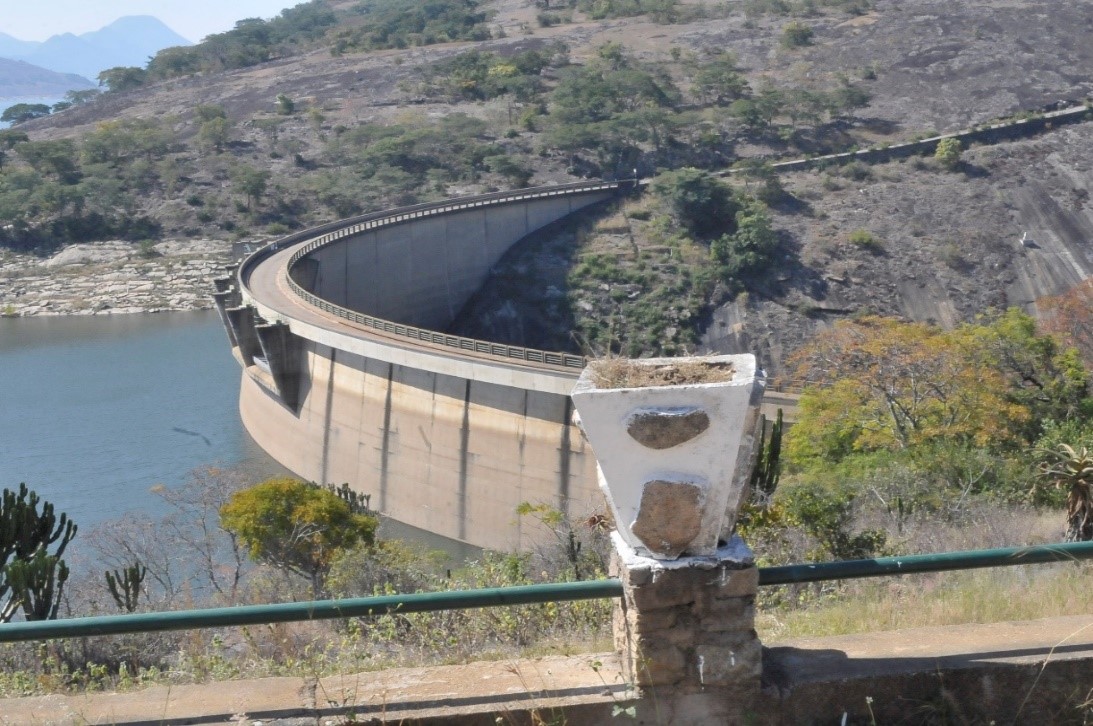
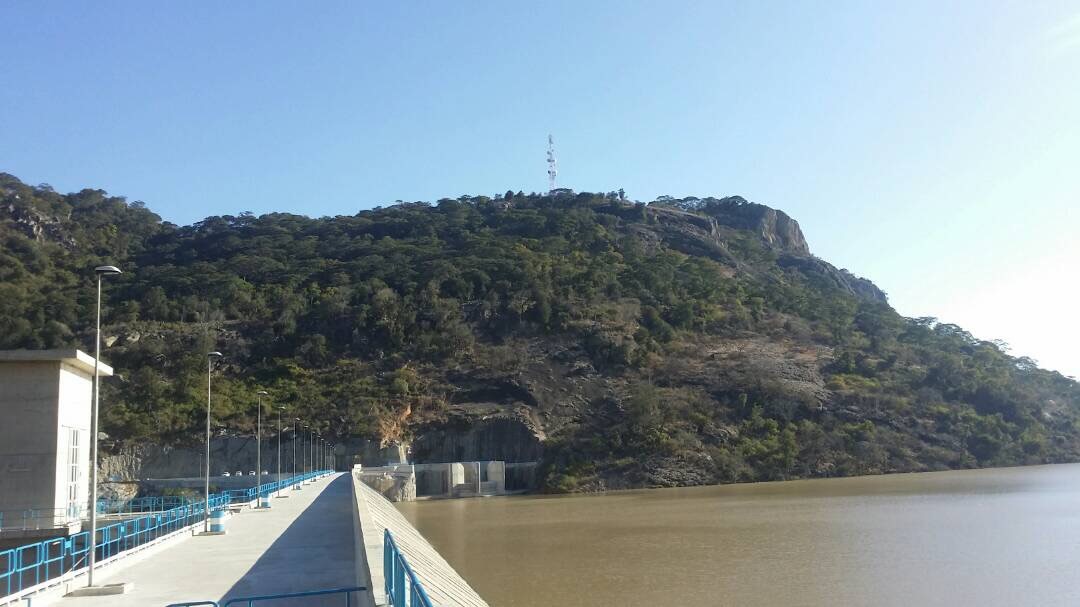
The story of Kyle is intimately bound to the Triangle Sugar Estates. The Lake is formed by Mutirikwi and Mushagashe Rivers where they meet at a point 40kms from Masvingo. This Lake was built in 1961 and from this point in time the Lake has been providing water to the City of Masvingo, as well as providing water activities to both local and international tourists. Main water activities at Lake Mutirikwi include Bass Fishing, Skiing, boating, yachting, and game viewing by boat. Apart from Water Sports the Lake is a waterhole for the many different species of animals housed at the adjacent Kyle Recreational Park. The park is scenically one of the most attractive parks in the Country, its major attractions being a thriving white rhino population. The absence of predators and elephants allows for an environment of undisturbed trees and a flourishing game population. The best way to view the game is on horseback. The park tops the cake with icing by having beautiful thatched self-catering lodges.
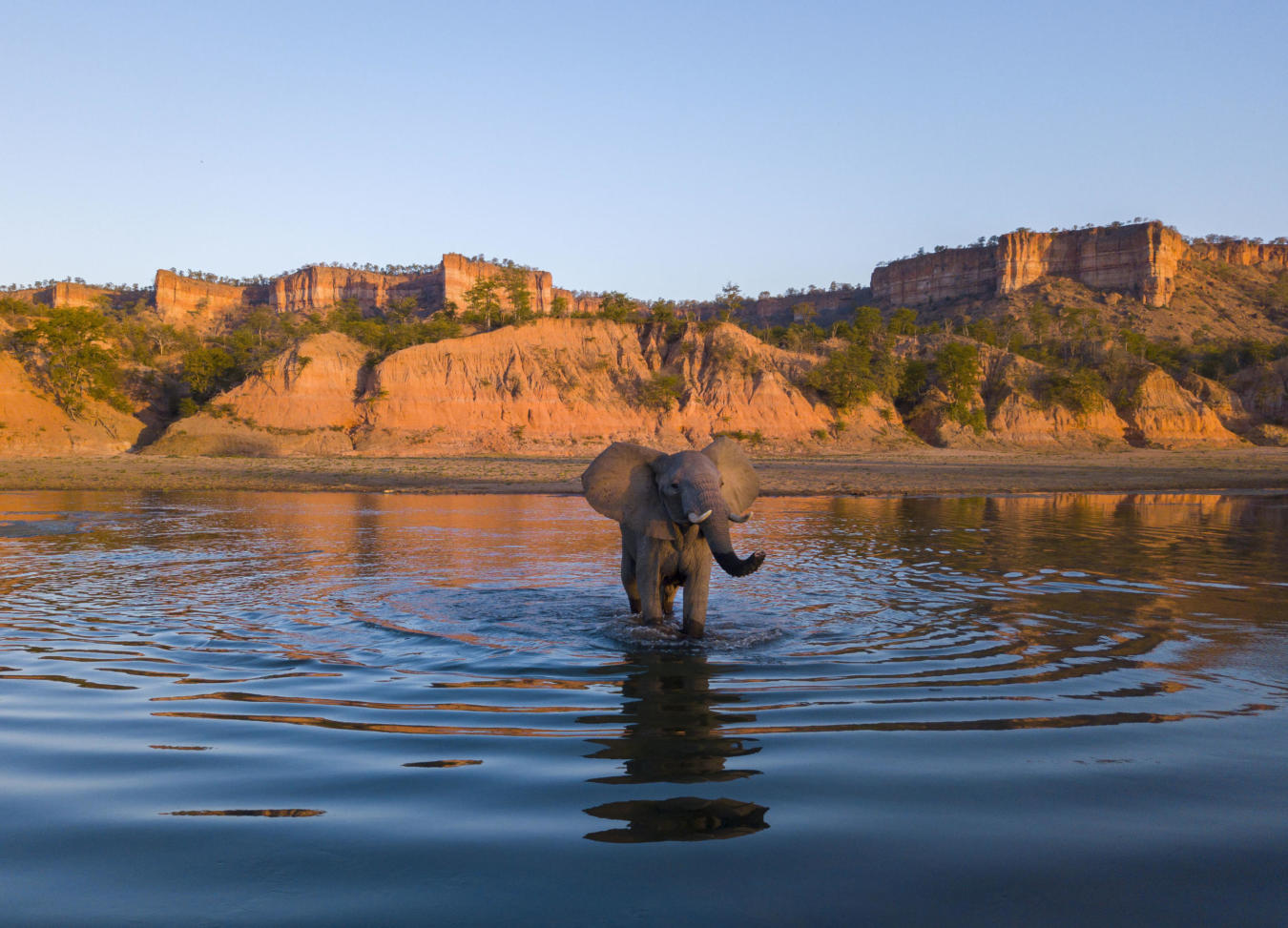
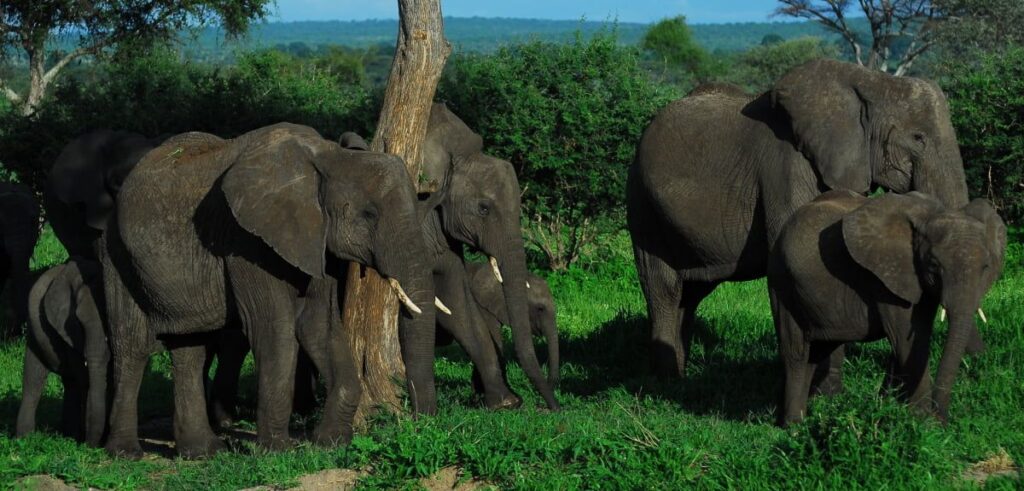
Gonarezhou National Park, as the area is known today, has an incredibly rich and turbulent history from early human settlements by the Shangaan (Tsonga) people, to the ivory trade, later becoming a game reserve in 1935 before being proclaimed a National Park in 1975. Gonarezhou is in the remote southeast corner of Zimbabwe on the border with Mozambique, with which it shares a 100 km boundary. The park forms an integral part of one of the largest conservation areas in the world- the Greater Limpopo Transfrointier Park (GLTP), established in 2002. GLTP joins some of the iconic national parks of Zimbabwe, Mozambique, and South Africa. The Park, known as “the place of elephants”, is home to over 11,500 of these gentle giants, one of the highest densities of pachyderms in any protected area in Africa. History talks of elephants taller than the trees and whilst this may be a stretch – several uniquely impressive individuals still roam the wilderness of Gonarezhou, descendants of the famed bulls of yesteryear such as “Dhulamiti” (the one who is taller than the trees). Apart from being “the place of elephants”, Gonarezhou is home to a rich diversity of species with several unique and range limited species. The Park is home to over 450 species of birds, 89 large mammal species, 61 small mammals, over 50 fish species, 116 identified reptile species and 34 amphibian species. Of these species, some 15 are classified as vulnerable, 6 endangered and 5 as critically endangered species.


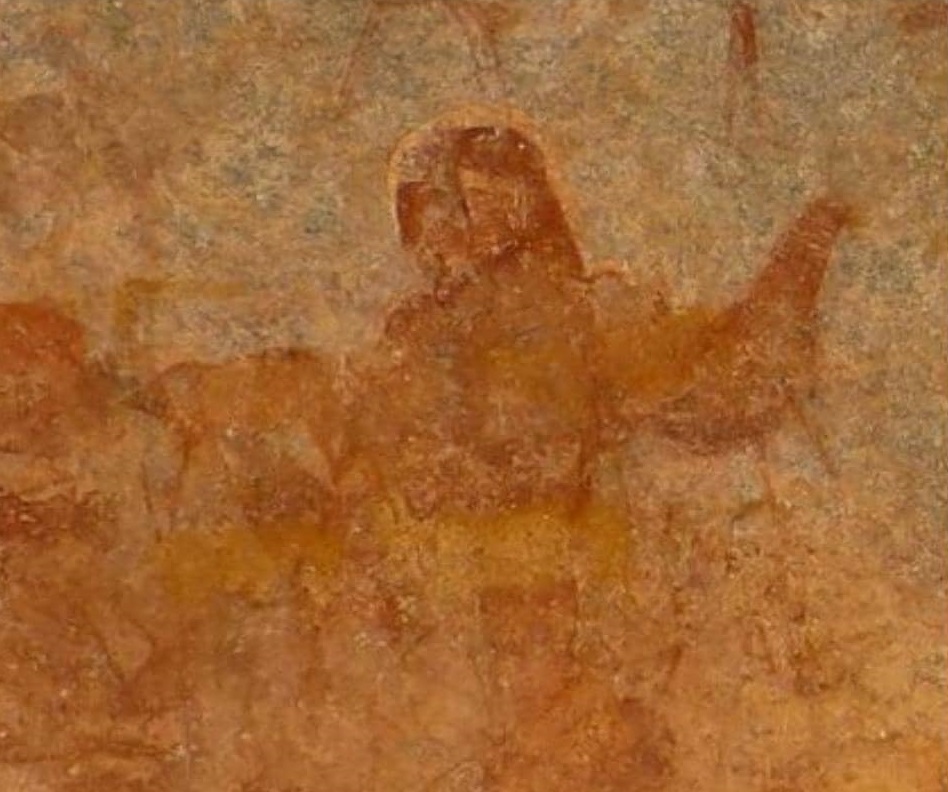
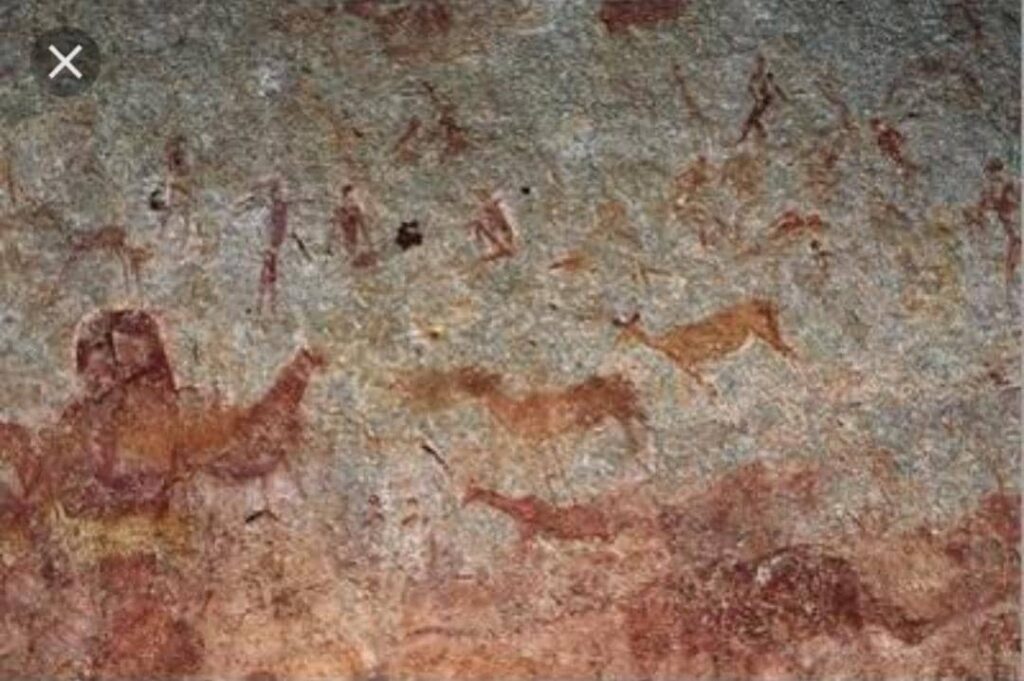
Henry Breuil often referred to as Abbé Breuil, wrote over six hundred publications illustrating many with his own copies of cave paintings and engravings and is well-known for introducing the caves of Lascaux and Altamira in southern France and northern Spain to the general public. He made three visits to Southern Africa in 1929, 1942 and 1947 visiting many parts of South Africa, Botswana, Namibia, Zambia, Lesotho and Zimbabwe. It is no exaggeration to say he was captivated by the rock art he saw, describing this period as "the most thrilling years of my research life" and undertook three expeditions to Namibia and Zimbabwe between 1947 and 1950. Abbé Breuil returned to France in 1952 and produced a series of publications sponsored by the South African Government which contained valuable photographs and sketches of the sites he visited, but are flawed by the elaborate scenarios he attributed to "white" artists. In 1953 he announced his discovery of a painting about 6,000 years old, subsequently dubbed "The White Lady" under a rock overhang in the Brandberg Mountains of Namibia and a theory that it had been painted by Egyptians, or some other Mediterranean people, who had improbably made their way thousands of miles into the Namibian mountains. In 1966, in collaboration with Mary Boyle, he published Volume Five of The Rock Paintings of Southern Africa which covered Zimbabwe and the Masvingo district and which continued the improbable theme that an ancient tribe of Europeans that once inhabited Africa had painted the art; an interpretation that was not accepted by most contemporary archaeologists. It did not seem implausible to Breuil that the Minoans, a Bronze Age civilisation that arose on the island of Crete and flourished from 2700 to 1450 BC, left no other traces of their passage than the rock art paintings. He ignored the signs that the rock paintings represent the lifestyle of the San hunter-gatherers of the region. Local archaeologists were sceptical, but were reluctant to argue openly with one of the world’s foremost rock art researchers. The figure’s head is outlined in white paint, with white lines and shapes drawn within the facial area. Henri Breuil speculated on the figures’ features; he saw an “Arab” veil and headband over a metal headband and visor, rolls of cloth around his body and “baggy trousers” with pointed “Hittite” shoes and thought the figure was “proto-Semite” or “proto-Ethiopian” of the time of Abraham.
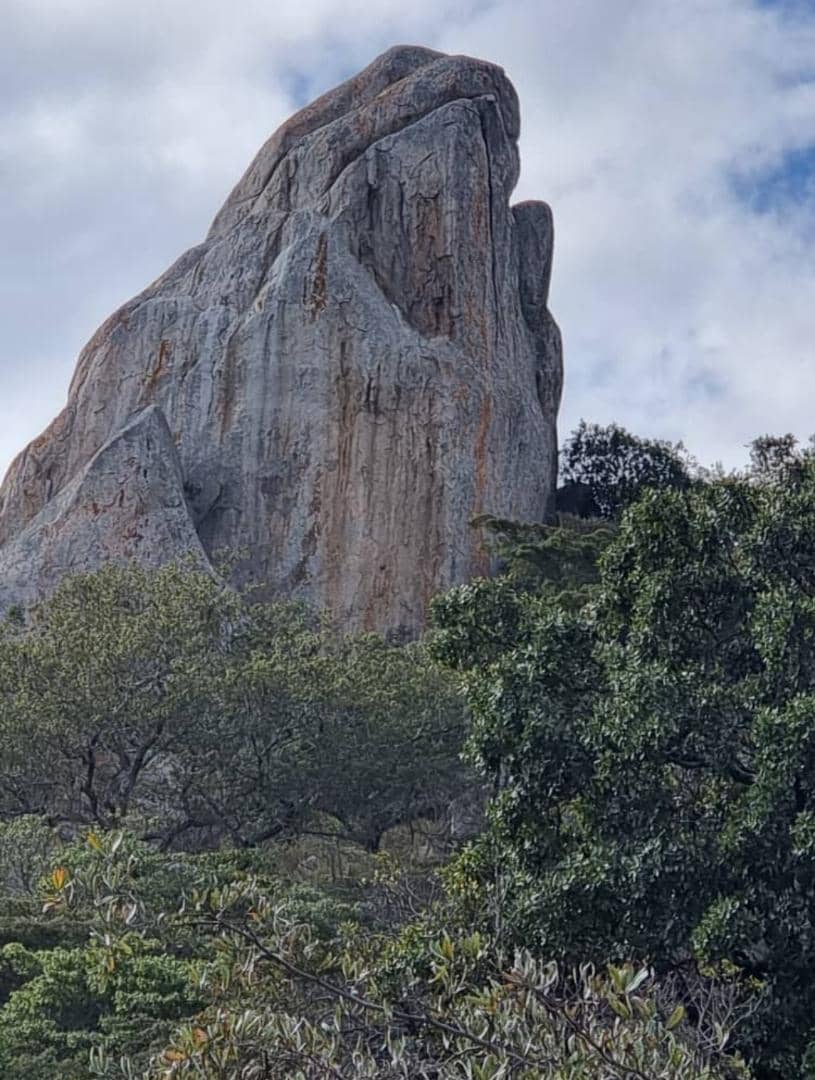
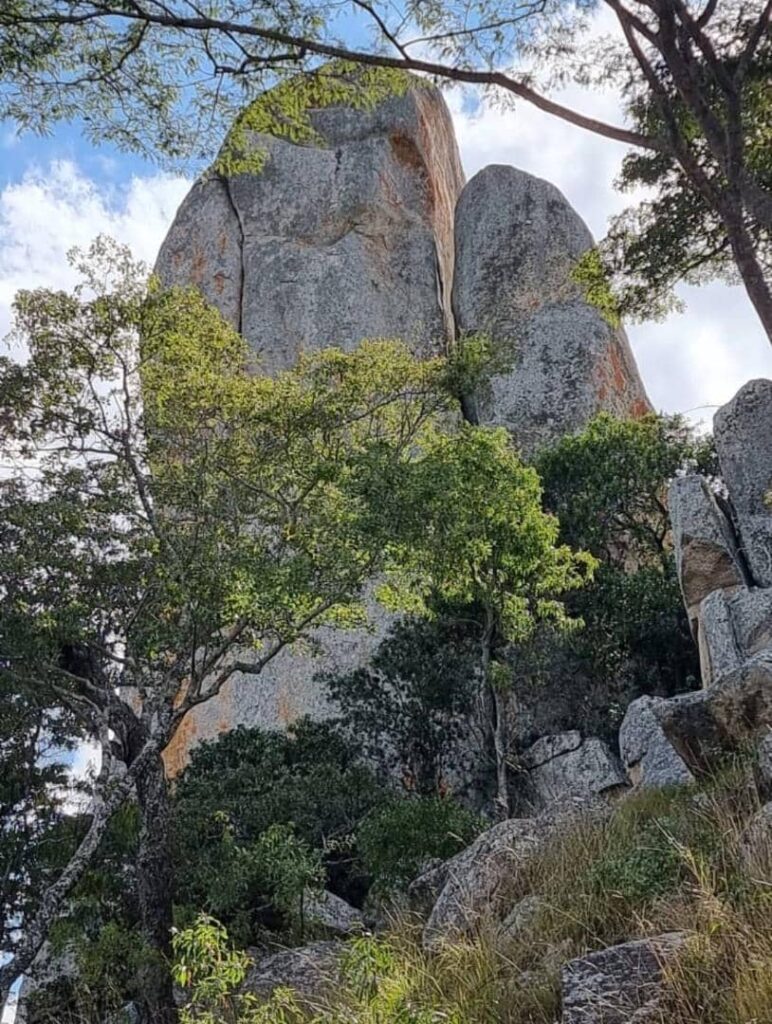
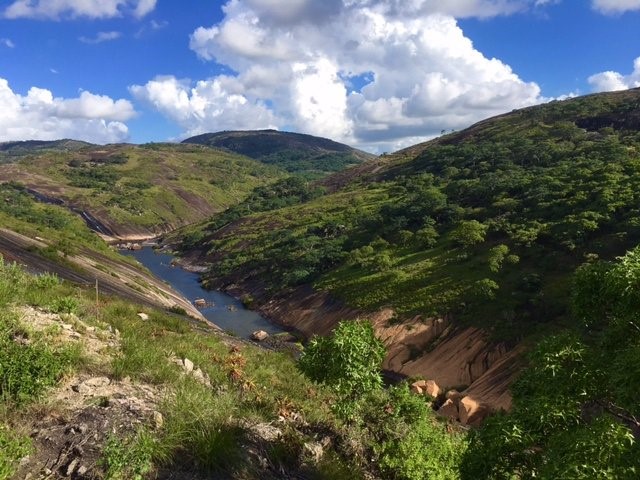
Munwe WaMwari is one of the highest points in Masvingo seen from as far as Bikita. It has fascinating caves and at the bottom is a pool that never dries, according to the Chigumbu family in whose farm Munwe WaMwari is found.

Dutch Reformed Church (DRC) missionary, Andries Adriaan Louw, established DRC’s first mission station in Southern Rhodesia at Morgenster in 1891. Despite poor health and not yet being ordained, Louw was the only one to answer the call for missionaries by Reverend S.P. Helm following Helm’s exploratory trip to Mashonaland the prior year.
Louw set off by ox-cart in April 1891 accompanied by seven Sotho-speaking African evangelists. After a laborious journey of several months, they reached Chief Mugabe’s mountain near the Great Zimbabwe ruins. With the Chief’s permission, a mission was established on 9 September 1891 about 35 km from Fort Victoria (Masvingo).
The mission was named Morgenster (meaning morning or day star) after the house Louw grew up in his hometown of Paarl, Cape Colony. The mission was granted 6000 acres the following year by Dr. Jameson, the British South Africa Company’s administrator of the territory.
Louw’s wife, Cinie, later joined him and they began their ministering among the Karanga. Five years later, the first two converts were baptized. The work grew rapidly and within ten years of their arrival, in 1901, the first outstation (prayer house), Pamushana, was established. The first presbytery meeting of the Church in Mashonaland was held in 1918.
A mission school was started in 1892. A school for evangelists was begun in 1925 with Reverend Henry Murray (Sr) as the first lecturer. A seminary was established in 1936.
The first African pastor, Rev. Ezra Shumba, was trained and admitted to the ministry in the late 1930s. As of 1936, the mission already employed one thousand school teachers, who were required not only to educate children, but also to spread the Gospel.
By 1948, schools for girls, the deaf and dumb, and another for the blind, had also been established. A printing press was installed at Morgenster to enable the Church to provide mission literature in the vernacular language.
DRC began one of the earliest medical missions in the territory when it opened a hospital at Morgenster in 1894 with the arrival of medical missionary Dr. John T. Helm. Dr. Helm also ministered to lepers, starting a voluntary leper settlement at Morgenster in 1899. By 1912, the number of leper patients had grown to 40. In 1913, the government removed the lepers to a farm in the neighboring Native Reserve.
Dr. M. H. Steyn arrived at Morgenster in 1924. Under his supervision, the John Helm Memorial hospital (1930) and Cinie Louw Memorial hospital (1934) were established. In recognition of his many years of service, Dr. Steyn was awarded the Order of the British Empire (MBE) in 1951.
Morgenster Mission was handed over to local control on 4 May 1977, which at that time consisted of the Teachers College, schools, hospitals, Theological College, printing press, Mabuku (department of church bookshops), Munyai Washe (the Christian church magazine), Penya (the evangelism outreach program) and farm.
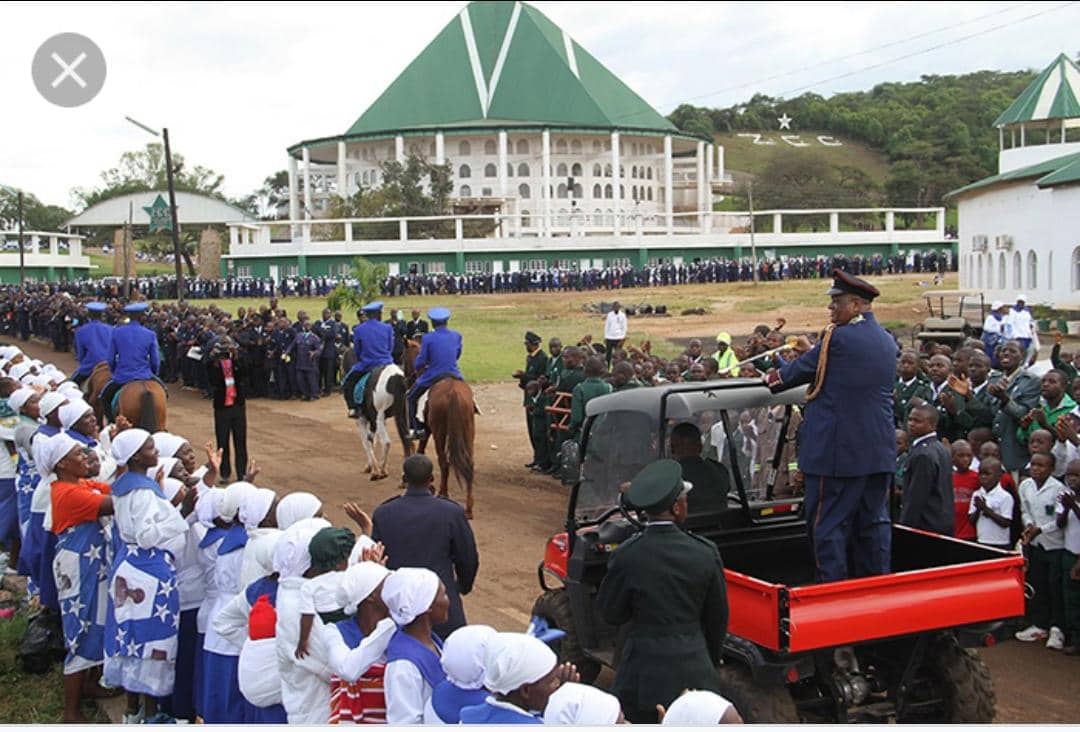
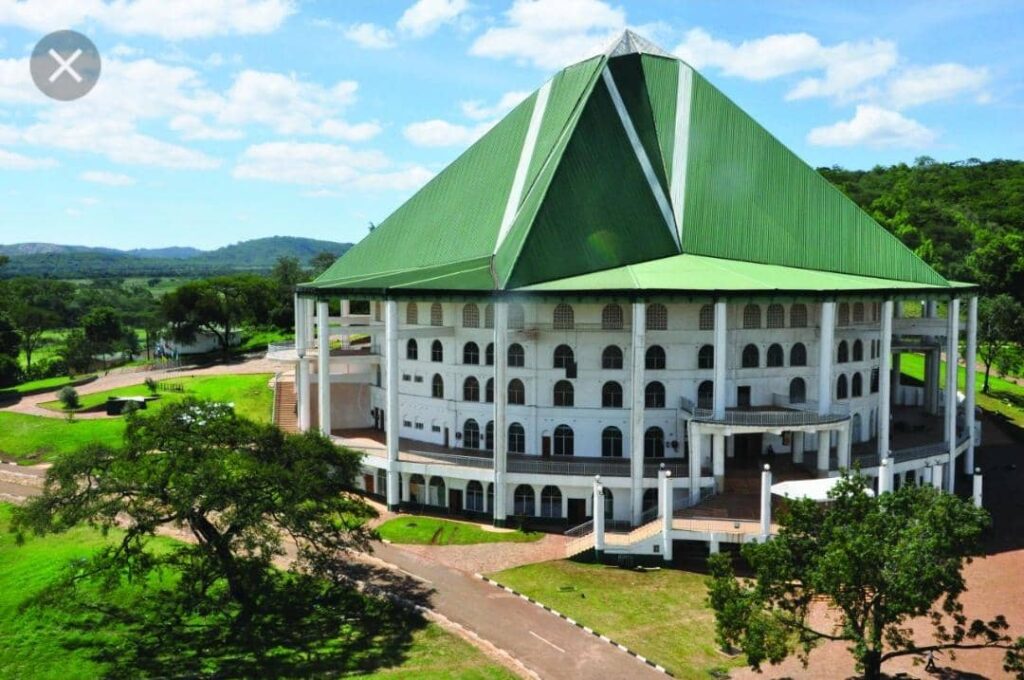
The Zion Christian Church (ZCC) Mbungu shrine situated in Masvingo has been certified as a religious tourism shrine by Minister of Tourism and Hospitality Engineer Walter Mzembi. Speaking at the event, Minister Mzembi said the shrine is held in high esteem. “The tourism sector improves through cultural elements which is an important component of economic and social activities. The first Religious Tourism World Congress that was held in October 2006 estimated that the market is worth US$18 billion annually. An estimated 300-350 million tourists visit places for religious reasons. “We have inexhaustible religious tourist resources and the shrine adds another dimension to the tourism sector. All this sprung from our faith which does not contradict with our faith and culture,” Mzembi said. He commended ZCC Bishop Mutendi for leading the Church and coming up with the idea he equated to Mecca and St. Peter’s Brasilica. “The Mbungu shrine is reminiscent of Saudi Arabia’s Mecca and Italy’s St. Peter’s Brasilica and it is going to be a reference centre for pilgrimage in Sub-Saharan Africa for all people seeking spiritual meaning in lives. It is also going to synergize spiritual significance and business. Mbungu as a religious tourism shrine is an additional feature on Masvingo’s tourist attractions such as Lake Mutirikwi; Great Zimbabwe and other wildlife conservancies.” He also said the shrine will reinforce pilgrimage that happens annually even at the Hohani Marange Apostolic sect. “Locally, we have the Johanne Marange Apostolic sect that attracts huge numbers on annual meetings in Manicaland. They attract people from other countries and we look forward to ZCC growing in other countries,” explained Minister of Tourism and Hospitality. He also said the Tourism Ministry and Zimbabwe Tourism Authority will work hand-in-hand and market the site to attract functions that benefit the church and the local community. He donated a giant public viewing area screen at the shrine for people to see proceedings of the church and conferences.